
Utility and Flatwork Contractor in Wake Village, Texas
Driveways, curb returns, sidewalks, water and sewer tie-ins and small-building slabs for Wake Village, Texas, planned around occupied streets and neighbors.
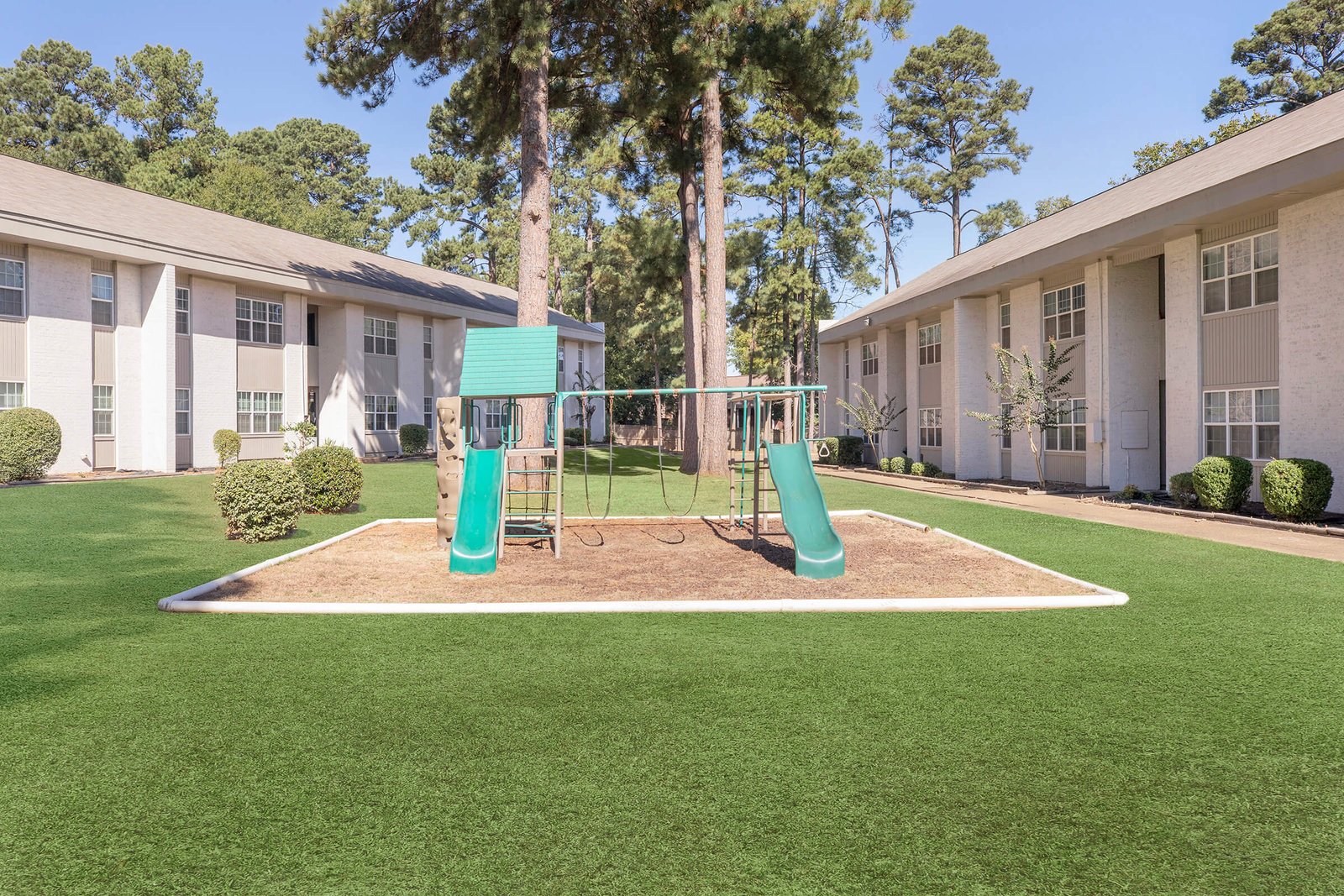
In an established suburb every trench has a neighbor, and every neighbor has a driveway, a mailbox and an opinion. That is the daily reality of infill and utility work in Wake Village, and it is why we plan the access, the saw cuts and the restoration before an excavator ever leaves the yard.
We build the small, careful things a built-out town needs: water and sewer service tie-ins, storm drain repairs, replacement driveways and approaches, sidewalk segments that close gaps, and slabs for new small commercial buildings and apartment sites on the few open lots that remain. Our trade partners cut, dig, form and pour on the same visit where possible, so a street is not left open longer than the weather forces.
Wake Village is just west of downtown Texarkana in eastern Bowie County, which means the labor, the ready-mix plants and the inspectors are all close. What is scarce is room to work, and that is where a contractor's habits show.
Neighborly sequencing
The sequence on a tight infill job is fixed by what the neighbors can tolerate. We notify adjacent owners before work, set the trench plates and traffic control, and keep driveways usable at night. Backfill is placed in lifts and compacted to the specification, then capped with a temporary patch so traffic does not wear out the cut before the permanent restoration.
Concrete restoration follows with proper subgrade, doweled or keyed joints against the old pavement, and a finish that matches the existing surface texture. A permanent patch placed on loose backfill is a patch that will sink in a year, so we compact first and pour second. For work in the street itself we coordinate with the city on inspection windows.
Flatwork and utilities in occupied streets
Most of what we do in town falls into a short list. Water main installation and service reconnects, sanitary sewer installation and lateral repairs, storm inlets and pipe, then the concrete that finishes it: curb returns, drive approaches, gutters and sidewalks. Each is a small job on its own and a long list when a developer wants them all done properly.
Where a vacant lot is being developed for apartments or a small commercial building, we do the sitework and foundations together. That includes clearing, building pad preparation, footings, grade beams where the soils call for them, and the slab. We keep one set of survey stakes and one schedule so utilities arrive where the building expects them.
Where the roads cross
The Handbook of Texas says U.S. Highway 67 runs through Wake Village, and Wikipedia says Farm to Market Road 989 and Old Redwater Road intersect there, with U.S. Route 67 to the south and U.S. Route 82 to the north. A town laid out between those routes has long delivery distances only in the sense of traffic, not miles, and the lots along the arterials are the ones that attract commercial buyers.
For concrete that means traffic is the first constraint. We check turning radii for trucks and pump rigs, look at overhead lines near the pour, and plan around school and commuter peaks. An arterial frontage lot may allow only a short window for a mixer to stage, so we order in smaller loads on tight intervals and keep finishers ready.
Site tasks that go with the slab
A new building in town rarely needs only concrete. Utility relocation comes first when an old line crosses the footprint, and erosion control and SWPPP measures keep silt out of the street. We install both before the foundation work starts.
Drainage often gets overlooked on a small lot. Water that used to sheet across an empty parcel is now pushed to a neighbor's property by a new slab. We grade the pad and the perimeter to shed water to a defined outlet, and we install trench drains or inlets at low points. Complaints about runoff are common in suburbs, and good grading is cheap compared with fixing one afterward.
Permits and inspections for a small suburb
The International Code Council notes that building code adoption in Texas takes place at the local level, so the right first call is to the city offices. We verify what a permit requires, who inspects the footings and slab, and what the utility owner needs for tie-ins, before the bid goes in. We do not quote an edition from memory.
Accessibility is a separate track. The Texas Department of Licensing and Regulation administers the Texas Accessibility Standards for qualifying projects, and ramps, landings and walking routes must be built to the drawn slopes. We check slopes with a digital level at forming and again before the finish, since a ramp that fails on inspection must be removed, not patched.
Owners and developers we work for
Our clients here include homebuilders and multifamily developers filling out the lots near the main roads, city and utility staff relying on dependable repairs, and local owners adding a shop or office to a corner parcel. We write scopes in plain language so a small owner can follow them.
The Handbook of Texas says Wake Village came about in 1944 or early 1945 to house workers for the Red River Army Depot and Lone Star Army Ammunition Plant, and that most residents worked at those installations or in Texarkana. We mention it only to describe the town: a workforce suburb with a practical outlook. Wikipedia reports a population of 5,945 in the 2020 census, up from 5,492 in 2010, which is steady growth rather than a boom, and steady growth wants steady, careful infrastructure. On the east side of the city our trade partners bring the same habits to Nash, where interstate frontage changes the mix of work but not the method.
Tell us where the cut goes
Send the address, the scope and any plans. We will look at access, utilities and neighbors, then price the dirt and concrete together with a schedule that keeps driveways open.
Common Questions
Can you close a street cut quickly so the neighbors can use their driveways?
Yes. We stage plates, temporary patch material and the saw before we open the cut, and we try to finish backfill and a temporary surface the same day. Permanent concrete follows once compaction is accepted. Neighbors get notice before we start.
What do you do about runoff onto the next lot?
We grade the pad and perimeter to a defined outlet, add inlets or swales where needed, and keep finished slopes away from property lines. It is cheaper than a boundary dispute and often required by the plan reviewer.
Do you take small jobs, such as a single driveway approach or sidewalk panel?
We take them as part of a package or a series, and we will tell you honestly if a very small repair is better handled by a local flatwork finisher. For approaches that tie to a city street, we handle the restoration and the inspection request.
How do you coordinate with the utility owners?
We locate existing lines first, request any shutdowns in writing, and schedule the tie-in for a time when water or sewer service can be interrupted with notice. Potholing at crossings avoids surprise breaks.
What is different about pouring beside a busy arterial?
Staging space is the problem. We order smaller loads on shorter intervals, use a pump when the truck cannot get close, and set traffic control so the mixer can sit at the curb for the time it needs. The pour plan is built around the street.