
Concrete for Pad Sites on Richmond Road and Summerhill Road
Aprons, curb and gutter, parking and slabs for pad sites on Richmond Road and Summerhill Road in Texarkana, Texas, planned around ramp and drainage limits.
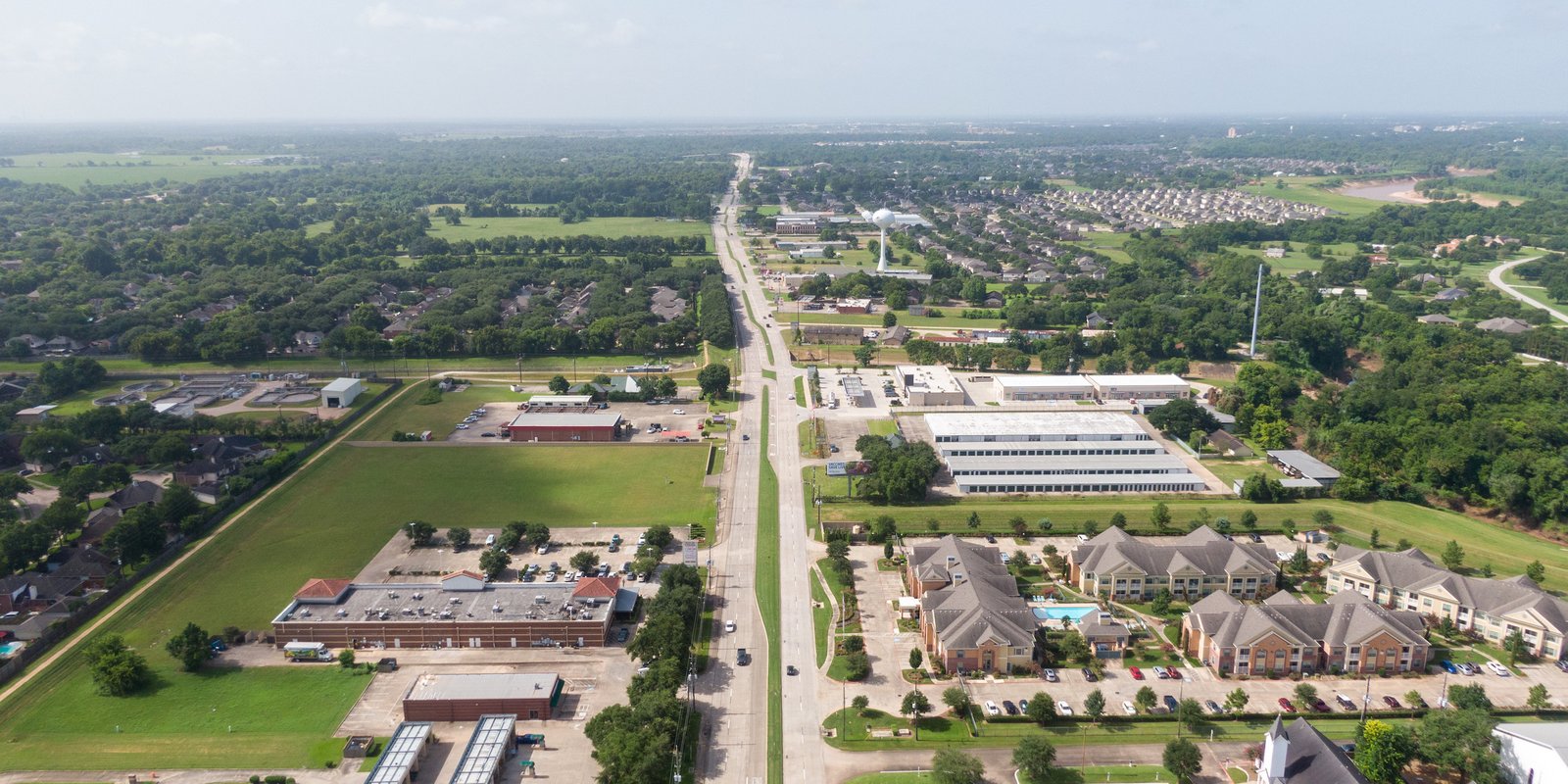
Customers find a retail pad by its driveway, and a driveway is only as good as the concrete and drainage under it. On Richmond Road and Summerhill Road we pour the approaches, aprons, dumpster pads, sidewalks and parking fields that decide whether a pad site works on opening day. Both corridors carry heavy traffic, both have utilities already in the ground, and both ask a concrete contractor to work next to open lanes.
The City of Texarkana, Texas comprehensive plan describes Spur 559, Richmond Road, as a major arterial connecting the newer parts of town north of Interstate 30 to the center of the city, mostly five lanes with a center turn lane. State Highway 93, Summerhill Road, is described the same way, running from the southwestern edge toward Bringle Lake. A five-lane road means turning movements, and turning movements mean curb returns, drive aprons and median noses that take punishment from braking trucks. We build those to the thickness the traffic calls for, not the thickness the budget line would like.
Access changes on these roads, too. TxDOT announced that the westbound Exit 220B ramp from I-30 to Richmond Road would close beginning Monday, January 5, 2026 for several months, depending on weather, so crews could build new pavement connecting the ramp to the newly widened main lanes, with Exit 222 at Summerhill Road and the frontage road as the suggested detour. A truck schedule that works in one month may not in the next, and we plan delivery routes with that in mind.
Retail, professional and medical land in one corridor pair
The comprehensive plan's district concepts put a Professional District north of I-30 from roughly North Kings Highway to Richmond Road, and a Medical District north and west of the I-30 and Summerhill Road intersection. It also suggests primary gateway signage along I-30 at Kings Highway and at Summerhill Road. Those ideas show how the city expects this area to fill in: offices, clinics, and the shops that serve them, each on a pad of an acre or two with its own storm outlet.
That mix drives our work. A medical user wants flush, accessible entries and clean curb ramps, while a restaurant wants a grease-resistant dumpster pad and a drive-through lane that does not puddle. Our work for retail shopping centers and medical office pads uses the same mix design discipline, but the joint layouts and the slopes are drawn separately for each use. Clinics in the Medical District also sit near the hospital work described on our page for the CHRISTUS and Wadley medical campuses.
Pads, shops and the parking that serves them
A typical pad starts with building footings and a slab on grade, followed by sidewalks, a loading apron and parking. We pour curb and gutter with machine or hand-formed methods depending on radii, and we pay attention to the gutter's flow line, because a quarter inch of birdbath at a drive-through becomes a standing complaint in July. Where a lot meets the street, we coordinate with the driveway permit so the apron matches the approved profile.
Larger parking fields want concrete paving or, in some cases, a concrete apron at the truck turn and asphalt elsewhere. Joint spacing, dowels at construction joints, and sealed saw cuts keep a lot from raveling. We sit down with the developer early to explain where concrete earns its keep (dumpster enclosures, drive-through lanes, truck routes) and where a lighter section is fine.
What moves the price on a pad site
On these corridors, three things move the number. First is subgrade: red clay and sandy loam can sit side by side on one lot, so proof rolling and a few lime or recompaction passes are line items we try to price from borings rather than guess. Second is drainage, because a storm inlet, a pipe run and a headwall may need their own concrete. Third is traffic control and phasing, since pouring beside open lanes forces night or weekend starts and flaggers.
Creek proximity matters too. The City's Hazard Mitigation Plan lists Cowhorn Creek, between Summerhill Road and Robinson Road, among impaired streams and notes that the 100-year floodplain mostly follows waterways. A pad near a waterway may need fill, a raised finished floor or a detention basin, and those change the budget before we place any concrete. The storm drain installation trade crews price that piping with the paving so you see one number, not three.
How we sequence a pad from stake to opening
We start with a utility locate and a pre-pour walk with your general contractor. Rough grading and compaction come next, then fine grade to a quarter inch under the slab and a half inch under paving. Rebar goes on chairs, not on the dirt, and we measure cover before the truck is called. Concrete is tested at the truck for slump, air and temperature, and cylinders are cast for the lab so strength is on paper before anyone drives on the pavement.
Curing gets as much attention as placement. On a hot afternoon we use curing compound or wet blankets and keep traffic and equipment off for the time the mix needs. We coordinate with general contractors and construction managers so the paving crew, the striping crew and the utility crew do not undo each other's work in the same week.
Driveway permits, state right of way and drainage
Richmond Road and Summerhill Road are state and city facilities in different stretches, so a driveway or median cut may need a TxDOT permit or a city permit depending on the location. Working near the interstate, the ramp and frontage road pattern also limits where trucks can enter and leave. We ask your civil engineer for the approved access plan and keep it on the job, and we do not pour an apron until the permit and the grades agree.
A December 2015 real estate trade article described a 500-acre master-planned Waggoner Creek Crossing development west of Richmond Road and land available along I-30's regional retail corridor, naming no tenants or completion dates. We treat that as a dated planning reference, not a schedule, but it is a reminder that large tracts here can still be subdivided and served with new streets, utilities and paving. Our I-30 corridor page covers the highway side of that picture.
Pricing a pad on Richmond or Summerhill
Send the civil plans, the geotechnical report if you have one, and your target opening date. We will return a scope that separates building concrete, paving, drainage and traffic control so you can compare it line by line.
Common Questions
Does the Exit 220B ramp work affect concrete deliveries?
It can. The TxDOT notice said the westbound ramp to Richmond Road would be closed for several months starting January 5, 2026, with Exit 222 at Summerhill Road as the suggested detour. We confirm the current ramp status before every delivery and give drivers an alternate approach so the load does not sit in the truck.
How thick should concrete be at a drive-through or truck route?
That is the engineer's call, based on traffic and subgrade. As a working range, we see lighter sections in car parking and heavier sections with dowels at drive lanes, trash truck routes and dock aprons. We will price what the plans call for and flag any place where the plan looks thin for the load.
Can you pour next to an open turn lane?
Yes, with traffic control in place. We schedule early morning or weekend placements, set barricades before the first truck arrives and keep a flagger at the entrance. The mixer can often discharge to a pump on the curb, which keeps the truck out of the lane.
What if my lot is near one of the creeks?
Check the floodplain map before you buy or design. The City says the 100-year floodplain mostly follows waterways, and Cowhorn Creek between Summerhill Road and Robinson Road is on the impaired streams list. We can help your engineer price fill, drainage and a raised pad.
Do you coordinate sidewalk and ADA ramps with the street work?
We do, and we build the ramps to the approved details with slopes, landings and detectable warnings checked before we release the forms. That avoids a failed inspection that would reopen a new walk.