
Site Prep, Slabs and Infrastructure for Homebuilders and Multifamily Developers in Texarkana, Texas
Lot grading, subdivision infrastructure, slabs, driveways and apartment site concrete for residential builders in Bowie County, engineered for clay.
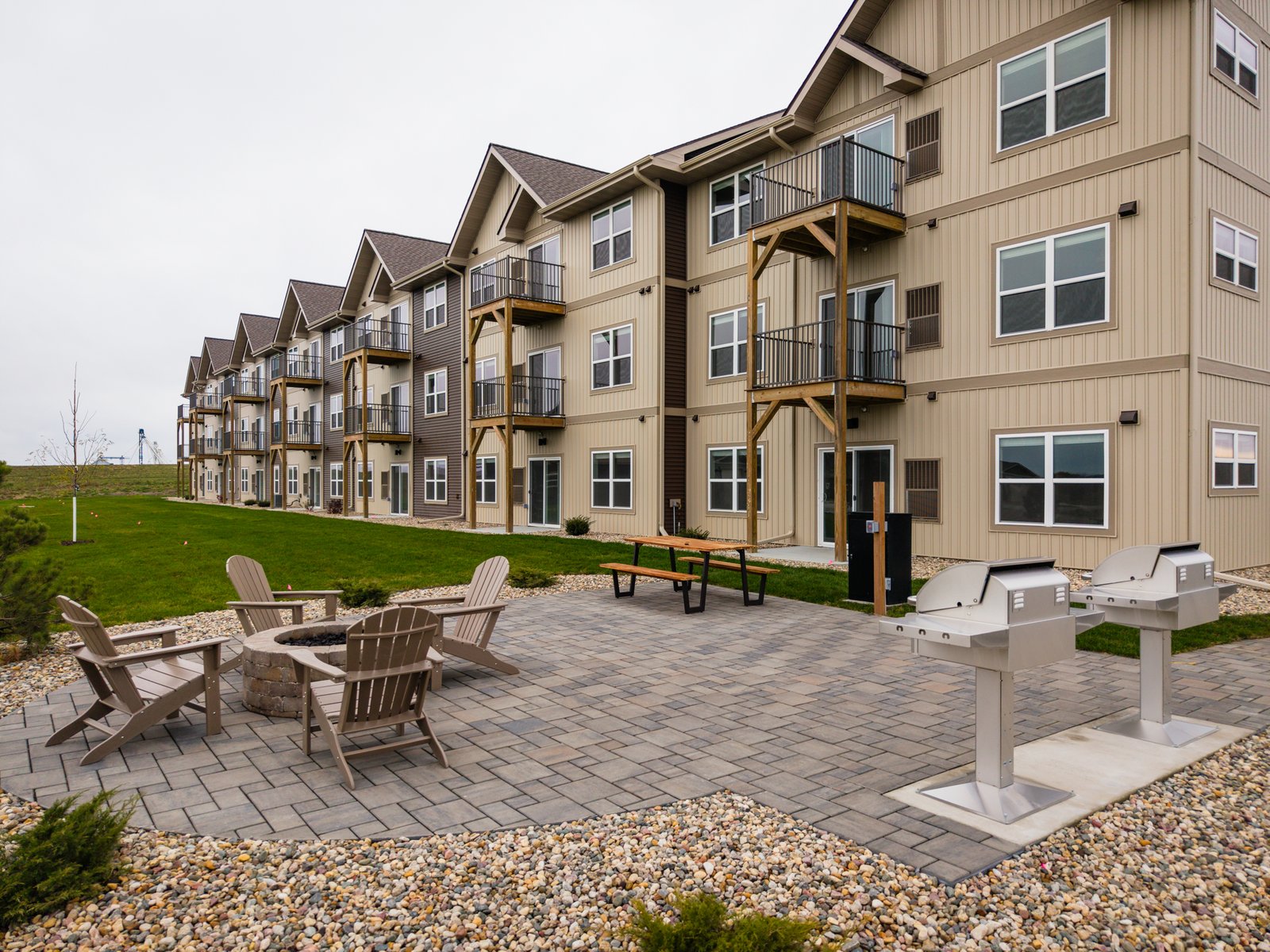
Between 2010 and 2020 Nash went from 2,960 residents to 3,814, and Wake Village went from 5,492 to 5,945. Those are small numbers in absolute terms, and they still mean new streets, new lots and new apartment sites on the edges of Texarkana. Homebuilders and multifamily developers here are working with raw land, tight margins and a market that expects a house or unit to be dry, level and affordable.
We prepare and build the part of a residential project that determines everything above it: clearing, lot and pad grading, utilities, streets and storm drainage, slabs and foundations, driveways and sidewalks. For a subdivision that means infrastructure first, with a plan that gets lots to the point where a builder can set forms. For an apartment community it means pads, parking, clubhouse slabs and amenity concrete.
Our focus is the same in both cases: a stable pad on clay, drainage that works, and concrete that does not crack in the first year.
Infrastructure first, then the slabs
Residential scope breaks into two phases. In land development we handle clearing, mass grading, land development infrastructure, water and sewer extensions, storm drains, curb and gutter, street subgrade and detention. In vertical construction we place footings, slabs, garage floors, driveways and sidewalks, either for a builder's model plan or for an apartment building's ground floor.
Speed matters, but so does repeatability. A tract builder wants the same slab, forms and reinforcement plan across fifty lots. We set up crews and forms for repetition, check each pad before concrete arrives, and keep a pour log tied to lot numbers so a later warranty question has an answer. Subgrade checks happen on every lot, because clay moves differently across a hillside.
Clay under the house
The ground is the central consideration. The USDA describes the Texark soil, with a type location in Bowie County, as a very-fine clay with 60 to 80 percent clay, slickensides and cracks up to two inches wide when dry. The City hazard mitigation plan places Texarkana in the Tertiary Uplands and East Texas Timberlands, with red clays in areas of redlands. A slab on that kind of soil can heave in wet years and settle in dry ones.
Builders address this with engineered foundations, post-tensioned slabs, moisture control, select fill or lime treatment under pads. We build what the engineer designs and recommend what we have seen work: consistent moisture before the pour, a proof-rolled subgrade, and gutters and grading that carry roof water away from the slab. Floodplain matters as well, since portions of the city lie in the 100-year floodplain and require a floodplain permit.
Where residential costs move
Residential cost lives in the details. Lot fill, rock or hard ground, detention requirements, and utility extension length can each add or remove tens of thousands of dollars across a development. We price the infrastructure by unit, show quantities, and identify the pieces that are likely to vary so a developer's pro forma has the right contingency.
Building codes affect cost as well. The City inspections page lists the International Residential Code, with its own adopted energy chapter, and the State Energy Conservation Office says it has continued with the International Energy Conservation Code for non-single-family buildings, including residential buildings taller than three stories. Code editions can change, so confirm what applies with the City before you finalize plans. We also offer value engineering on slab thickness, joint spacing and reinforcement where the design team permits.
Employers, campuses and growing towns
The local housing market is tied to employers and campuses. Wake Village was built in the mid-1940s to house workers for the Red River Army Depot and the Lone Star Army Ammunition Plant according to the Handbook of Texas, and nearby communities such as Hooks and Leary grew around the same installations. Today the college, medical and industrial employers are part of what draws residents.
Student housing is part of the picture too. Bringle Lake Village at Texas A&M University-Texarkana is a 294-bed residence hall, and the first two phases of a newer housing community were reported complete and filled in August 2025. Multifamily developers can learn from that: nearby demand supports construction, but site drainage and parking drive operating costs. See how we serve schools and healthcare owners on campus work.
Houses, garden apartments and mixed-use
Residential buildings differ in how they use concrete. Single-family builders want fast, repeatable slabs and driveways. Garden-style apartments need building pads, parking, sidewalks and dumpster pads. A multifamily or mixed-use building can include podium decks, structured parking and retail floors, which call for elevated slabs and careful waterproofing at joints.
Permits for residential work follow the jurisdiction. Inside a city such as Nash or Wake Village, the city issues permits, and a third-party guide reports no county-issued general building permit for Bowie County, so unincorporated lots should be confirmed with the Commissioners Court. Developers working alongside commercial developers on mixed sites often ask us to coordinate retail and residential pads under one schedule, which we do.
Send the plat and the lot count
Send the preliminary plat, the geotechnical report and your lot or unit count. We will return infrastructure pricing, a slab plan and a schedule from clearing through first pour.
Common Questions
Why do slabs crack on clay lots, and can you prevent it?
Clay swells when wet and shrinks when dry, and the movement pushes and pulls on the slab. You cannot eliminate it, but you can reduce it with a proof-rolled subgrade, controlled moisture, engineered reinforcement or post-tensioning, and grading that keeps water away from the foundation.
How do you price subdivision infrastructure?
By unit: linear feet of pipe, cubic yards of cut and fill, square yards of paving, each curb and inlet. We list quantities and flag the ones most likely to move, so you can plan contingency. A lump sum with hidden assumptions helps nobody.
Can you keep a tract schedule moving through a rainy spring?
Partly. Infrastructure should be sequenced so streets and storm drains are done before the wettest months, and lot pads should be sealed and drained. We cannot make it stop raining, but we can keep the lots buildable between storms.
Do you handle apartment amenity concrete and parking?
Yes. Clubhouse slabs, pool decks, sidewalks, trash enclosures, parking fields and curb are all within our scope. We coordinate with the architect on accessible routes, which must meet Texas Accessibility Standards where they apply.
What is the process for a new subdivision permit?
It starts with the city, such as Nash or Wake Village, where the property lies, and may involve platting, drainage review and utility approvals. A third-party guide reports Bowie County issues no general building permit, so unincorporated land should be confirmed with the county. We help your engineer with quantities and constructability.
Should a builder pre-treat lots with lime before setting forms?
Sometimes. Lime or cement treatment can dry out wet clay, reduce its swell and give a firmer working platform, and it is often cheaper than hauling out soft soil and bringing in select fill. It has to be mixed, cured and tested properly, and the geotechnical engineer should confirm it suits the lot. We can price treatment and replacement side by side for a few sample lots so you can see the difference before committing to the whole phase.