Land Development Infrastructure Contractor
Roads, utilities, drainage and graded lots for subdivisions, business parks and industrial campuses in Bowie and Cass counties, built in phases.
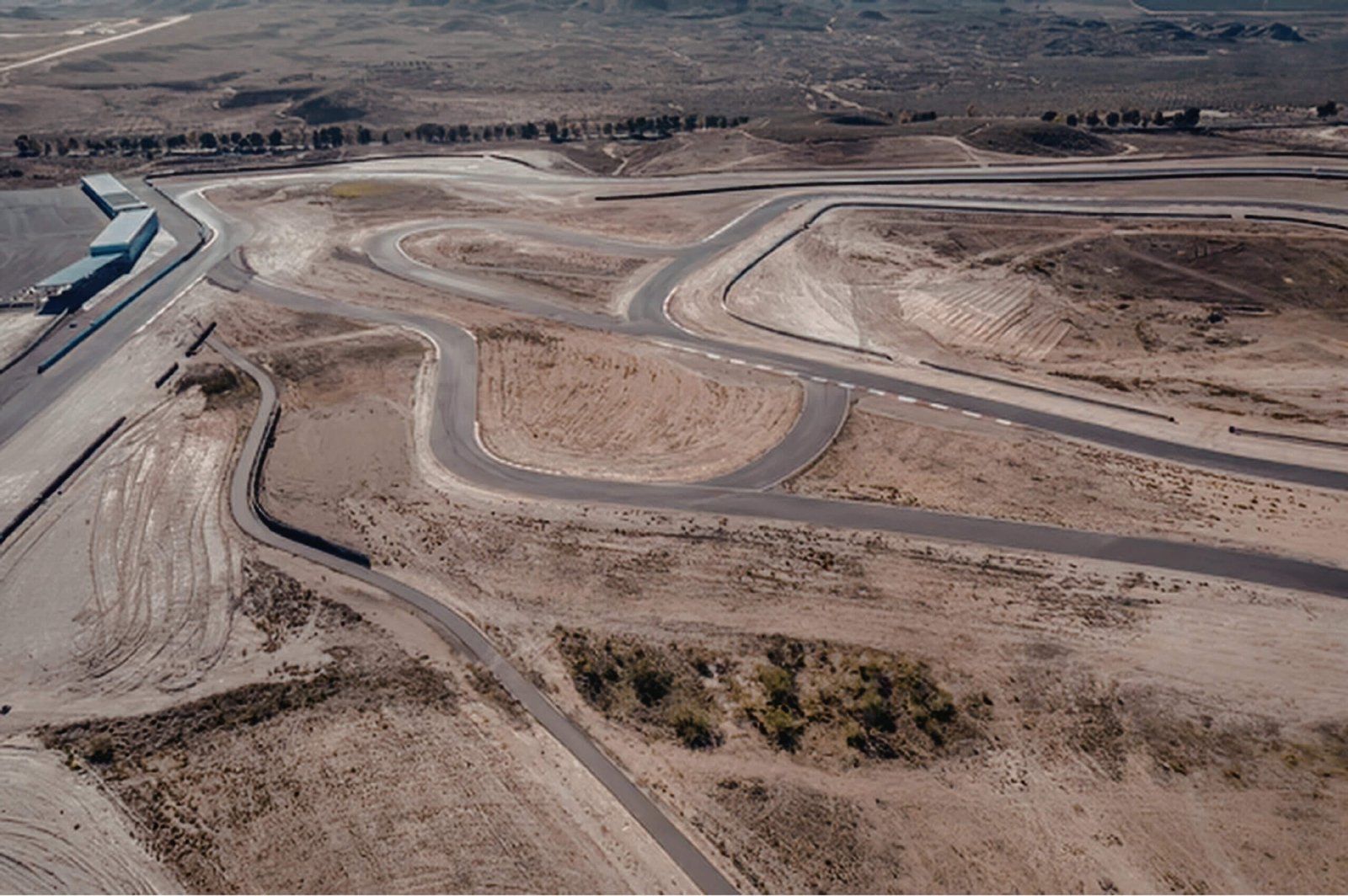
Raw land becomes a place to build when somebody puts in the roads, the water, the sewer, the drainage and the graded lots. That bundle of work is land development infrastructure, and it is the least visible, most expensive and most schedule-sensitive stretch of any development project. A year of marketing means nothing if the first lots are not ready when a buyer shows up.
We build the backbone: clearing, mass grading, erosion control, utility mains, storm drainage, detention, street subgrade, curb and gutter, and the concrete that goes with them. We do it in phases that match your sales, your financing or your tenant's move-in date, and we stage the work so the first phase can open while the next one is still mud.
Who develops land in this market
Developers fall into a few groups here. Industrial campus owners prepare large parcels for manufacturing and logistics users. Residential developers build subdivisions around Nash, Wake Village and the edges of Texarkana. Commercial developers prepare pad sites on highway frontage. Public bodies extend utilities and roads for economic development. Our commercial developer, homebuilder and multifamily and industrial owner pages describe each of these.
Population growth shapes the housing side. Wikipedia reports Nash, in the Texarkana metropolitan area, grew from 2,169 residents in 2000 to 2,960 in 2010 and 3,814 in the 2020 census. Growth like that creates demand for new streets, utilities and lots on the edge of town, and it is information to be used cautiously since it is a general reference rather than a project forecast.
Large ground, long timelines
The largest parcels in the market belong to TexAmericas Center. Governor Abbott announced on February 13, 2025 that an advanced recycling facility would open at the center with more than $145 million in capital investment, and in April 2026 the center and a development partner announced a planned 500-acre data center and power-intensive campus in Bowie County, estimated at $3.5 billion in projected investment, with a 24 to 30 month target to energize (other outlets cite 400 or 450 acres). Campuses like that are announced as plans, and the first thing they need is infrastructure: roads, water, power corridors, drainage and graded sites.
We treat announcements as planning context rather than a guarantee, and we build the infrastructure that is needed in each phase, not the whole master plan up front. The aim is to avoid stranded investment. Roads that serve the first tenant should still make sense if the second tenant is a year late.
Phasing and sequencing
The usual sequence begins with clearing and erosion control, followed by mass grading to rough pad and road elevations. Utilities go next, deepest first: sewer, then storm, then water, then conduit. Roadway subgrade, curb and base follow, and paving comes last, because a road paved before the utilities are finished is a road that will be cut open.
Each phase is closed out before the next one opens. That means the roads in phase one are complete and stable, the ponds are working, the disturbed ground is stabilized and the sales or leasing team has an area they can show without tripping over equipment. We keep haul routes for later phases off finished streets, which saves the pavement and the owner's money.
The pieces of a development package
Grading and drainage come first. We use mass grading to shape the site and detention and retention ponds to handle runoff. Utilities follow, with sanitary sewer, water and storm lines installed to the utility owner's standards. Then come the streets, with subgrade, base, curb and gutter and paving. Concrete flatwork and ramps tie the lots to the streets.
Many developers appreciate a single contractor for the whole package because it removes interface gaps. When grading and utilities are done by different firms, the sewer trench may be cut through fresh road subgrade. When one firm holds both, the sequence is planned once and followed.
Scheduling around money and weather
Development schedules run on financing as much as on construction. Lot deliveries trigger sales and draws, so a month's delay has a dollar value. We plan around that by identifying the longest-lead and most weather-dependent activities, typically earthwork and paving, and protecting them with float.
For the weather, we apply a realistic allowance. Rainfall in the Piney Woods region runs 42 to 58 inches a year, according to the city's hazard mitigation plan, and the clay holds that water. Grading in a dry August is a different job than grading in a wet March, and the schedule should say so. We also coordinate with utility providers early, since power and gas companies keep their own queues, and the water and sewer owner must inspect and accept lines before they go into service.
Approvals that gate the work
Development has more approvals than most construction. A plat or site plan has to be accepted, construction plans reviewed, stormwater coverage obtained and floodplain questions answered. Inside Texarkana, a floodplain permit is reviewed by the City Engineer, and the comprehensive plan notes that floodplain areas are generally not able to be developed, so lots shown in or near mapped flood zones need an early look. In Nash, Wake Village and other cities each city's own review applies, and in unincorporated Bowie County a third-party permit guide reports no county-issued general building permit, which makes the question of who approves the work worth asking before design is finished.
Building codes come later, but they influence infrastructure. The city lists the International Building Code as presently in use. The edition in force should be confirmed with the City. Whichever edition governs, the fire department's access and hydrant requirements shape road widths and water main layouts, and we confirm them against the approved plans before we pour a curb. The Nash page and the TexAmericas Center page describe two very different development settings in the same county.
Start with the phase one plan
Share the master plan and the target date for the first lots. We will price phase one by unit and show how phases two and three follow.
Common Questions
Can you build only the first phase and return later?
Yes. Phasing is normal, and we plan the first phase so that the roads, drainage and utilities stand on their own. We stub utilities for future connection, build temporary turnarounds and stabilize disturbed ground so the unbuilt areas do not wash out.
Who handles utility company coordination?
We coordinate with water, sewer, power and gas owners on tie-ins, inspections and schedules, with the engineer and owner. Each utility has its own review time, so we start those conversations early.
How do you control cost on a development package?
We price by unit: per linear foot of pipe, per square yard of paving, per cubic yard of earthwork. Unit pricing lets quantities change without renegotiating the contract. Allowances for weather and rock are shown separately.
What permits does a development need?
It varies by location. Inside cities, plan review and floodplain permits go through the city, and state stormwater coverage applies by acreage. Unincorporated areas should be confirmed with the county and any utility district. Your engineer usually manages the submittals, and we supply the construction information.
Do you build ponds and drainage?
Yes. Detention and retention basins are built from the design, compacted and stabilized, with outlet structures and emergency spillways installed to the plan.