
Site Clearing and Grubbing in Texarkana, Texas
Tree removal, stump grubbing and topsoil stripping for commercial, industrial and development sites in Texarkana, planned around erosion control and weather.
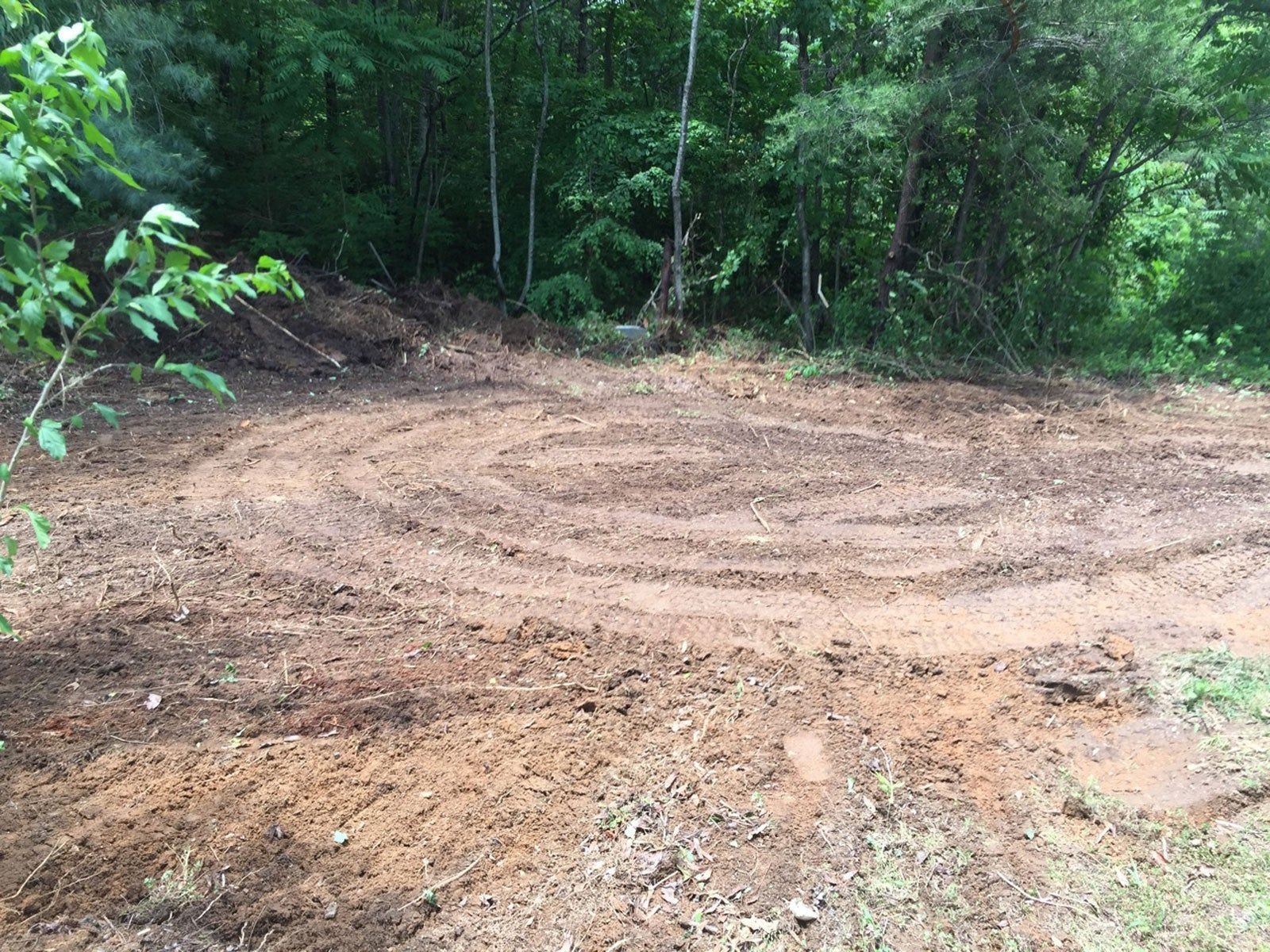
East Texas Timberlands is not a figure of speech. The City of Texarkana's hazard plan places the area in the East Texas Timberlands, where upland soils are mostly acid sands and loams over loamy and clayey subsoils, with red clays in the redlands. Pine and hardwood grow thick on that ground, and a lot that looks empty on an aerial photo can hold a dense stand, a tangle of undergrowth, old stumps and the roots of a century of growth. Clearing it is the first real step on most sites, and it sets the terms for every step after.
Site clearing removes trees, brush, fences, debris and surface obstructions from the area to be built on. Grubbing goes further: it removes stumps, roots and the organic topsoil layer that would otherwise decay under a slab or pavement and leave voids. Clearing is visible. Grubbing is what protects the work you cannot see.
We clear and grub for commercial pads, industrial parks, subdivisions, roads and utility corridors around Texarkana and Northeast Texas. The page that follows explains how we plan it, what happens to the material removed, and which decisions are worth making early.
What clearing and grubbing include
The work starts with marking the limits of disturbance, usually with survey stakes and flagging, and installing perimeter erosion control. Trees to be saved are fenced at the drip line. Everything else inside the limits is cut, pulled or ground, and merchantable timber is separated from brush and stumps.
Grubbing follows. Stumps and roots larger than the specification allows are removed, holes are filled with compacted fill and the topsoil layer is stripped and stockpiled if it will be reused, following the methods in our topsoil stripping and stockpiling work. The ground is then proof rolled to find soft spots and buried debris before mass grading begins. A site that has been cleared but not grubbed will settle where a stump rots.
Timber, stumps and what to do with them
The Handbook of Texas says lumber boomed around 1890 at Linden, and the Linden area of Cass County still has standing timber with value. That heritage means standing timber across the region has value, and an owner may want to sell merchantable logs before the site is cleared. We coordinate with timber buyers when the owner wishes, and keep the schedule clear for harvest.
What remains is brush and stumps. Burning is restricted in many places and requires approval, so most jobs use chipping, grinding, hauling to an approved site or burying nothing at all. Burying stumps on site is a common cause of settlement and is not allowed by most specifications. We state the disposal method in the bid and confirm with the owner and the permitting authority.
Sequence and weather
We clear in the order that grading will follow, so that disturbed ground is not left open longer than necessary. Perimeter controls go in first, haul roads and the construction entrance next, then the clearing proper. Clearing in the wet season is possible but tough on the ground. Tracked machines on saturated clay tear up the surface, and the first heavy rain turns the site into soup.
We prefer to clear in dry spells and then stabilize quickly. Where a long gap will follow before grading, we leave the root mat in place and cut at the surface to hold the soil. This approach sits well with erosion control and SWPPP rules, because bare soil is the main pollutant on a construction site.
Large acreage and phased work
TexAmericas Center is roughly 12,000 acres of former military land in Bowie County west of Texarkana, with an East Campus of about 8,867 acres and a West Campus of about 2,850 acres. Land on that scale is cleared in phases, building pad by building pad and road by road, rather than in one stroke. We plan a clearing sequence that follows the development sequence, which keeps erosion exposure low and saves the owner from clearing land that may sit idle for years.
Ground that served a military installation may hold old foundations, buried debris and utility remnants. We search before we strip, hold unknown items for the owner's environmental advisor and keep the equipment operators briefed on what to report.
Permits, wetlands and trees
Disturbing an acre or more usually triggers state construction stormwater requirements and a pollution prevention plan, and larger sites may need federal review if creeks or wetlands are on the property. The City of Texarkana, Texas requires a floodplain permit reviewed by the City Engineer where work touches the 100-year floodplain, and some cities have tree ordinances that limit removal. We check before cutting, because trees cannot be put back.
Outside city limits, a third-party permit guide reports no general county building permit in Bowie County, but that does not remove state and federal rules. Our approach is to confirm the controlling approvals in writing with the owner's engineer before the first tree falls.
What changes the clearing price
Tree density and size lead the list, followed by stump count, haul distance, disposal fees and whether timber can be sold to offset cost. Access matters: a site with a good haul road and a nearby disposal area is cheaper than one that needs a temporary road across wet ground.
Weather is the wild card. A wet month slows production and adds mat or stone costs for machine access. We provide a base price with a day rate for wet-weather standby, so the owner sees the risk laid out and not hidden in a contingency.
What comes next
Clearing hands the site to mass grading, which cuts, fills and shapes the pad. Along the way, utility potholing and locating finds existing lines in the cleared corridor, and the clearing limits tell the surveyor where to set control.
Land developers, homebuilders and multifamily developers and logistics developers all start with clearing. For industrial parks near the depot, the Red River Army Depot area has large tracts still to be developed, and the first contractor on site sets the tone for erosion control and neighbor relations.
Start your site the right way
Send us the survey and the limits of disturbance. We will walk the site, state the disposal method and price clearing and grubbing as separate items.
Common Questions
How long does it take to clear an acre?
It depends on density. Light brush may take a fraction of a day, while a mature pine stand with stumps can take days per acre. Hauling, grinding and weather affect the schedule. We estimate by walking the site and counting stems and stumps.
Can I keep the topsoil?
Often yes. Topsoil stripped during grubbing can be stockpiled, protected from erosion and spread later for landscaping. In clay country it is worth saving, because buying good topsoil later costs more than storing it now.
What do you do with the trees and stumps?
Merchantable timber goes to the owner or a buyer. Brush is chipped or hauled. Stumps are ground, hauled to an approved disposal site or, with permission, burned under controlled conditions. We state our method in the bid.
Do I need a permit to clear land?
Often a stormwater permit for larger areas, and sometimes city or federal review near creeks and wetlands. Small sites outside any city may need little. We ask the engineer and the city before work begins.
Is it okay to clear the whole lot at once?
Usually not wise. Open soil erodes with the first heavy rain, and the longer it sits, the more it costs to control. Clearing in phases that match grading and construction keeps exposure low.