
Logistics and Fulfillment Center Construction in Texarkana
Flat floors, conveyor pits, mezzanine footings and trailer yards for logistics and fulfillment centers in Texarkana and Bowie County, Texas.
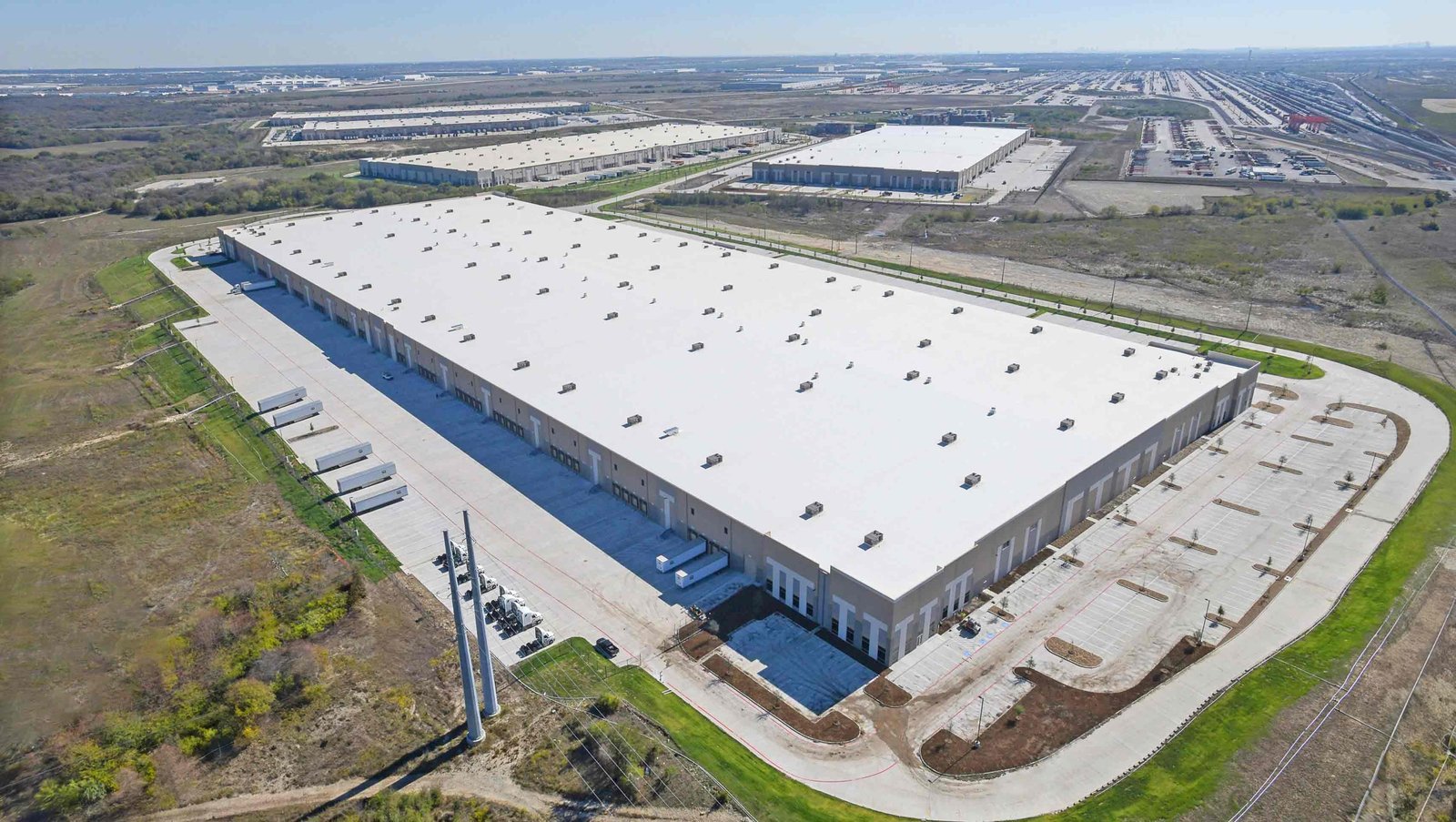
Interstate designation changes where freight goes, and fulfillment buildings follow freight. A 3.5 mile piece of U.S. 59 in Bowie County, from I-30 to Loop 151, was designated I-369 by the state, and TxDOT has studied about 16 miles of US 59 south of Texarkana to FM 2327 near Queen City for upgrade to interstate standards. A fulfillment operator reads that as a promise of future access, and builds near it.
The building those operators want is a high-volume sorting floor: long conveyor lines, pick modules on several levels, packing stations and a lot of doors, with a small office suite and a big trailer yard. What makes it different from a standard warehouse is the floor. Conveyor foundations, sortation pits, mezzanine columns and automated storage systems all ask the slab for tight tolerances and heavy local loads. We pour those floors and build the yard that feeds them.
The road and rail picture
The TxDOT study page says US 59 between Texarkana and Queen City does not currently meet interstate standards, and that the study ran from summer 2017 to September 2018, with open houses in July 2018. No construction date appears on that page, so buyers should treat the extension as planned, not built. The I-369 and US 59 corridor segment already designated, together with Loop 151 and I-30, already gives the west side of the city a direct freeway connection.
Rail is the second lever. The Handbook of Texas says Texarkana was by 1948 the junction of four railroad systems with eight outlets, and today a short line connects with two larger railroads at Texarkana. The City comprehensive plan proposes a Business Development Node just southeast of the IH 30 and IH 369 interchange, where an older commercial center could be revitalized, which could suit a smaller fulfillment site on an infill lot. Sites like that come with their own concrete questions: old pavement to demolish, abandoned utilities to find, and parking that was laid out for retail rather than trailers. We price demolition and replacement apron separately so an infill owner can see what the old site costs to clear.
Floors that take conveyors and robots
Automated systems need flat, level floors and tight tolerances on the first pour. A floor that waves by an eighth of an inch over ten feet can be a problem for narrow aisle equipment and for mobile robots. We use laser-guided screeds and perform floor profile tests for flatness and levelness when the spec calls for them. See our super flat floor slabs page for the method.
Conveyor and sortation foundations are cast into or on the slab. Pits for sorters, trenches for cable, and equipment pads each have their own tolerance and reinforcement, and the equipment supplier's drawings arrive late. We reserve space in the pour sequence for them, cast sleeves and embeds from the shop drawings and avoid saw cuts in the wrong places. Where mezzanines go in, we coordinate elevated slabs and decks and their column footings with the racking layout.
Hitting a peak season
Fulfillment centers are often built to open before a peak shopping season, which makes the date inflexible. We recommend a staged plan: site and utilities first, a pad and foundation program that can be completed with a dry-weather margin, then the slab and the building enclosure. When an owner has a firm opening date, we plan the pour sequence backward from the date the racking and conveyor installers need access.
Rain is the schedule risk in Northeast Texas. The City's hazard mitigation plan puts annual rainfall in the Piney Woods at 42 to 58 inches, and Bowie County declared a disaster in April 2025 after heavy rain and flooding. Sites that drain slowly after a storm cost a week each time, so we grade for positive drainage as early as possible, open the basin outlet first and keep the subgrade rolled smooth between rains. We keep earthwork ahead of the structure and have a plan for pumping, sealing and protecting the pad.
Approvals for a high-occupancy building
Fulfillment buildings often have large storage heights and automated systems, which draw attention from the fire marshal and the plans examiner. In Texarkana, the Inspections office reviews plans; the City page lists the International Building Code and the International Fire Code as presently in use, with Texas Accessibility Standards also required. The edition in force should be confirmed with the City. High-piled storage and sprinkler design are usually the longest review items.
On the civil side, driveway and utility permits come from the city or from TxDOT for state routes, and a stormwater plan is needed for any site that disturbs an acre or more. We assist with the construction side of those submittals, including the erosion control plan and haul route, and install controls before grading begins.
What else we build for the same owner
A fulfillment center also needs parking for the workforce, a trailer yard, a guard house and utilities. The parking lot concrete and fire line and hydrant installation trade crews build those elements with the same schedule. We also build the detention basin and outfall before the building so the site drains.
The closest sibling projects are the distribution center and the truck terminal and cross dock, which share the dock and apron design. For buyers who work on behalf of retailers or shippers, our page for logistics and warehouse developers covers how we handle site control, utilities and phased construction.
Send the equipment floor requirements
Send the conveyor and racking drawings with the civil plan. We will price the floor, pits and yard against the tolerance the equipment asks for.
Common Questions
How flat does a fulfillment floor need to be?
The spec depends on the equipment. Narrow-aisle trucks and automated systems usually require a defined flatness and levelness number, tested by a profile survey. Standard conveyor and pick modules are less sensitive. We ask for the equipment manufacturer's floor requirements before we choose the placing method.
Can we build now for a highway that is not finished?
Yes, if the site has access today. The planned I-369 extension is a study-stage project, with no construction date on the TxDOT page. Buy based on current access and treat any future improvement as an upside.
Where do mezzanine columns bear?
They bear on footings that go through the slab or on thickened slab sections, depending on the load. We coordinate the locations with the racking and conveyor plan so that the columns do not conflict with pits or trenches.
What is a realistic schedule for a 250,000 square foot center?
Many projects take close to a year from site start to turnover, with the slab in the middle. The earthwork and utilities may take two to three months in good weather, the slab and enclosure several months more. Owners who need a peak-season opening should plan backward from that date and add rain margin.
Do we need to pave the entire trailer yard?
Not always. The dock apron and the heavy turning areas get concrete, and overflow trailer parking can be asphalt or crushed stone. We price alternates so you can compare initial cost against maintenance.